Precision Glass Cut for Exact Specifications
Custom Flat Glass in Casper for shelves, tabletops, cabinets, and interior design projects requiring precise dimensions
Standard glass sizes rarely match the dimensions needed for custom furniture, built-in shelving, display cases, or architectural features, leaving gaps or requiring expensive modifications to cabinetry and frames. Glass Pros, LLC fabricates custom flat glass for residential and commercial applications, creating glass for shelves, tabletops, cabinets, partitions, and other custom projects cut to precise specifications for an accurate fit. Quality craftsmanship backed by extensive glazing experience ensures each piece meets project goals from design through installation across Casper.
Custom flat glass fabrication starts with exact measurements of the opening or surface where the glass will be installed, accounting for hardware clearances, support points, and edge finishing requirements. The glass is cut using specialized tools that score and snap the material along measured lines, then edges are ground and polished to prevent sharp corners that cause injury or chip easily under stress. Glass type, thickness, and edge treatment vary based on the application—tempered glass for tabletops subject to impact, thicker glass for heavy shelving, and polished edges for visible installations where aesthetics matter.
Arrange a consultation to review your project dimensions, intended use, and aesthetic preferences so the correct glass type and edge finish can be recommended.
What Proper Fabrication Involves
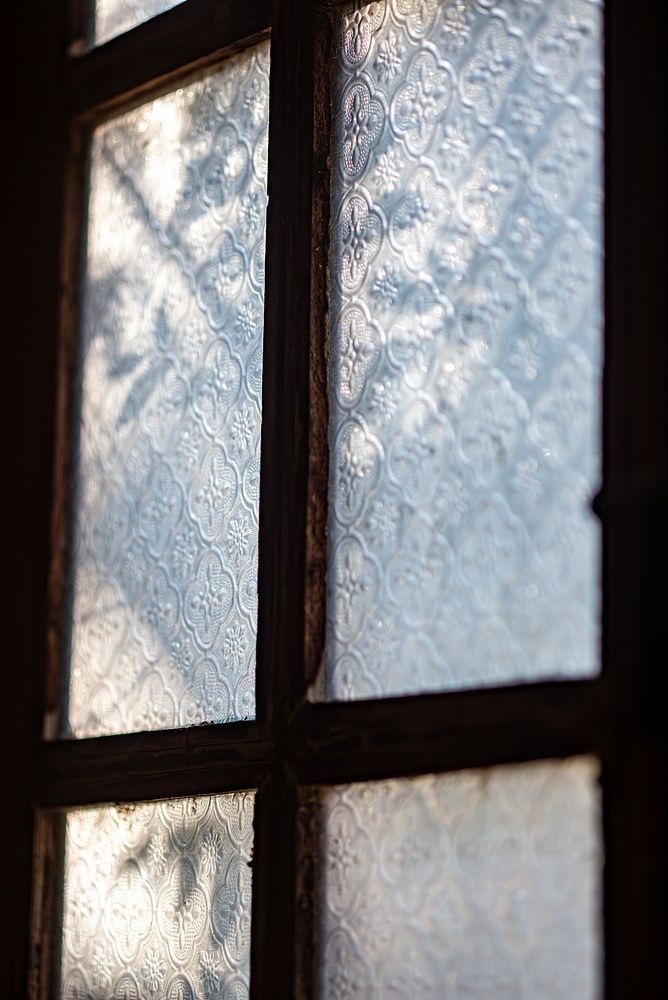
Fabrication precision determines whether the glass fits correctly without gaps or binding, particularly in built-in installations where cabinetry cannot be easily adjusted. Each piece is measured multiple times and cut with tolerances that account for frame expansion in different temperatures, since Casper's indoor heating during winter and passive solar gain in summer cause wood and metal frames to shift slightly. Edge finishing options include flat polished edges for clean modern aesthetics, beveled edges that catch light for decorative effect, or pencil-polished edges that round sharp corners for safer handling.
After installation, you'll notice the glass sits level without rocking on uneven surfaces, edges align with the surrounding frame or cabinet openings, and the transparency or tint matches your design intent. Shelves support their intended load without flexing excessively, tabletops protect underlying surfaces while remaining easy to clean, and partitions divide space without obstructing sightlines.
Custom flat glass fabrication provides the piece itself but does not include installation hardware like shelf brackets, standoffs, or table bases unless specified during the project consultation. You need to verify that support structures can bear the glass weight, particularly for larger pieces where standard half-inch glass weighs approximately six pounds per square foot and thicker glass proportionally more.
What Property Owners Usually Ask
Custom glass projects involve decisions about thickness, finish, and glass type that affect both function and cost. These answers help clarify fabrication options and requirements.
What thickness of glass is needed for a custom shelf or tabletop?
Shelves supporting light decorative items typically use quarter-inch glass, while shelves holding books or heavier objects require three-eighths or half-inch thickness, and tabletops subject to regular use should be half-inch tempered glass to resist impact and support weight without flexing.
How are custom glass pieces measured to ensure an accurate fit?
The fabricator measures the opening or surface at multiple points because frames and cabinets are rarely perfectly square, then cuts the glass slightly smaller than the tightest measurement to prevent binding while keeping gaps minimal for a clean appearance.
What is the difference between polished and beveled glass edges?
Polished edges are ground flat and smooth for a clean, contemporary look, while beveled edges are angled cuts along the perimeter that create a decorative border and refract light, adding visual interest to mirrors and tabletops where edges are visible.
Why does custom glass cost vary significantly between projects?
Cost depends on glass type, thickness, total square footage, edge finishing complexity, and whether the glass must be tempered for safety, with larger pieces and intricate shapes requiring more material waste and labor time during cutting and finishing.
Can custom flat glass be cut on-site during installation?
Most custom glass is fabricated in a shop where cutting and edge-finishing equipment is available, because field cutting cannot achieve the precision or edge quality required for furniture and architectural installations, though minor adjustments to pre-cut pieces are sometimes possible.
Glass Pros, LLC provides expert guidance from design through installation, helping customers find custom glass solutions that meet structural and aesthetic requirements. Request a project consultation to discuss your specific dimensions, intended application, and desired glass characteristics for accurate fabrication.